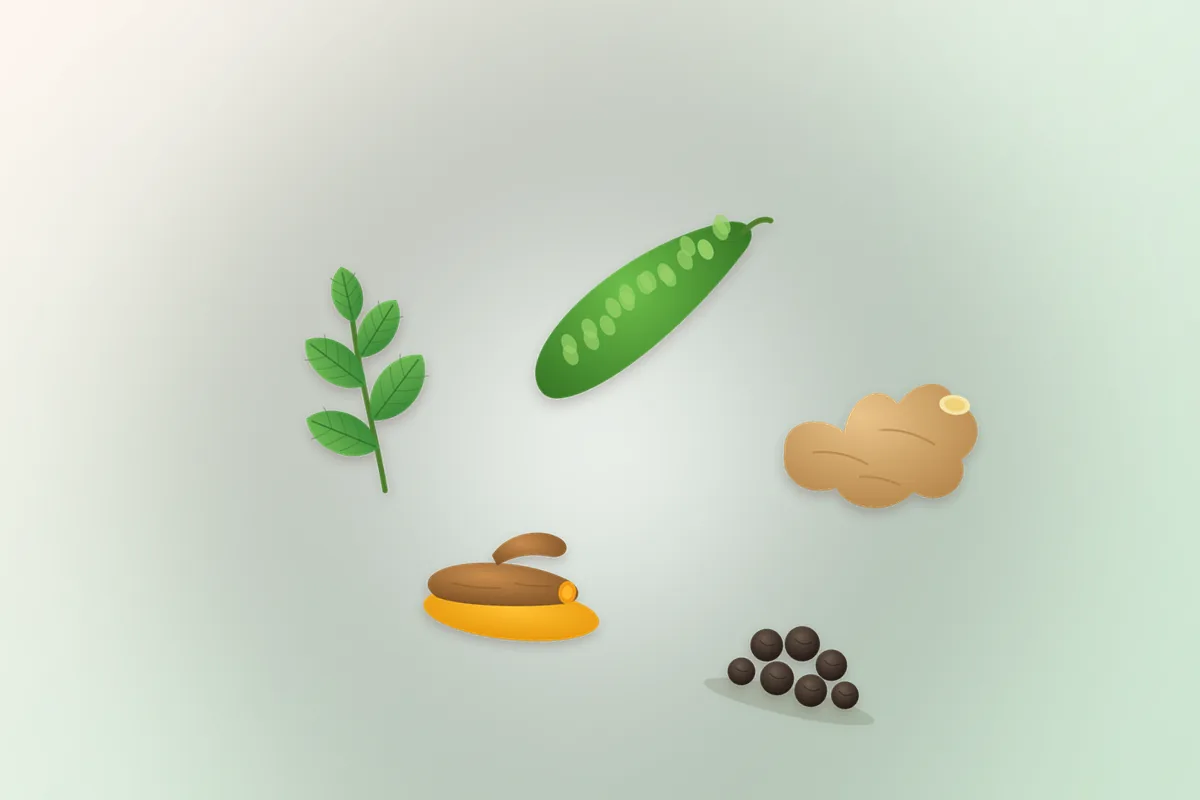
The traditional diet of Okinawa, Japan, has attracted interest for decades. Older generations ate meals built around sweet potatoes, vegetables, soy foods, seaweed and small portions of fish, with green tea throughout the day. You do not need to move to an island to borrow these ideas. Here are seven habits you can start this week.
1. Practice Hara Hachi Bu
This Okinawan saying reminds people to stop eating when they are about 80% full. Eating slowly, putting your fork down between bites and serving smaller portions all make it easier.
2. Make Vegetables the Main Event
Aim to fill half your plate with vegetables. Leafy greens, carrots, cabbage, mushrooms and bitter melon (goya) are all at home in Okinawan cooking.
3. Choose Sweet Potatoes and Whole Grains
Purple and orange sweet potatoes were a traditional staple. Pair them with brown rice, barley or oats for slow, steady energy.
4. Add Soy and Legumes
Tofu, miso, edamame and beans provide plant protein and fiber. Try swapping one meat-based meal each week for a tofu stir-fry.
5. Season With Turmeric, Ginger and Spices
Turmeric tea and ginger appear often in island kitchens. A pinch of black pepper alongside turmeric is a classic pairing.
6. Sip Green Tea
Unsweetened green or jasmine tea is a simple swap for sugary drinks. Mind the caffeine late in the day.
7. Eat With Others and Keep Moving
Okinawan culture values community, gardening and daily walking. Shared meals and light activity after eating are habits worth copying.
Where a Daily Tonic Fits
Okinawa Flat Belly Tonic draws on this plant-forward spirit with green tea leaf, turmeric, ginger, bitter melon and black pepper in its Metabolic Blend. It can be a convenient extra, but the habits above are the foundation. See the full ingredient list.
This article is for general education and is not medical advice. Speak with a qualified healthcare professional about your individual needs.